Galleries

  • The Power of Superfoods: Unlocking the Secret to Healthier Skin

    The Power of Superfoods: Unlocking the Secret to Healthier Skin

    The Power of Superfoods: Unlocking the Secret to Healthier Skin

    In the ever-evolving world of skincare, the term “superfoods” has become a buzzword, but what exactly are superfoods, and why are they so important for our skin? Superfoods are nutrient-dense foods that pack a powerful punch of vitamins, minerals, and antioxidants, all of which are essential for maintaining healthy, radiant skin. By incorporating superfoods into both our diet and skincare routine, we can unlock a myriad of benefits that go beyond basic nourishment. In this blog, we will explore the wonders of superfoods and how they can revolutionize your skincare regimen.

    What Are Superfoods?

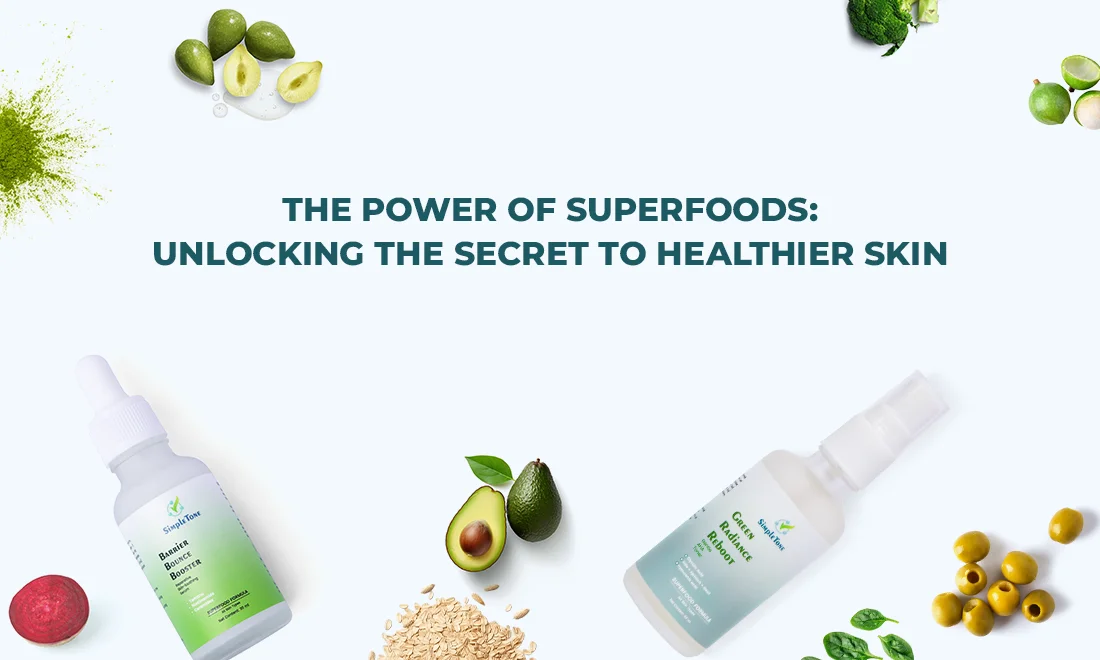
    Superfoods are natural, whole foods that are exceptionally rich in nutrients. They provide an abundance of essential vitamins, minerals, and antioxidants that help to protect and repair the skin. Common superfoods include matcha, avocado, kale, spinach, blueberries, and chia seeds. These foods are not only beneficial when consumed but also when applied topically through skincare products.

    The Benefits of Superfoods for Your Skin
    1. Antioxidant Powerhouse: Superfoods are packed with antioxidants that help to neutralize free radicals, which can cause premature aging and damage to skin cells. For example, matcha, a type of green tea, is known for its high concentration of antioxidants that fight oxidative stress and promote youthful-looking skin.
    2. Hydration and Moisture: Many superfoods, such as avocado and chia seeds, are rich in healthy fats and oils that provide deep hydration and moisture to the skin. This helps to maintain a healthy skin barrier and prevent dryness and irritation.
    3. Anti-Inflammatory Properties: Superfoods like turmeric and kale contain anti-inflammatory compounds that can help to reduce redness, swelling, and inflammation. This is particularly beneficial for those with sensitive or acne-prone skin.
    4. Vitamins and Nutrients: Superfoods are a rich source of essential vitamins like A, C, and E, which are crucial for skin health. Vitamin C, found in foods like Kakadu plum and blueberries, is known for its brightening and collagen-boosting properties.
    5. Detoxification: Superfoods like spinach and spirulina are excellent for detoxifying the skin. They help to cleanse the skin from impurities and toxins, leaving it refreshed and revitalized.
    How to Incorporate Superfoods into Your Skincare Routine
    1. Dietary Intake: Start by incorporating more superfoods into your daily diet. Smoothies, salads, and snacks are a great way to add these nutrient powerhouses to your meals. A diet rich in superfoods will reflect on your skin, making it healthier and more radiant from the inside out.
    2. Superfood-Infused Skincare Products: Look for skincare products that contain superfood ingredients. From face washes and toners to serums and creams, these products are formulated to deliver the benefits of superfoods directly to your skin. For instance, a face wash with matcha and avocado can cleanse and hydrate your skin, while a serum with tamanu oil and niacinamide can provide anti-aging and brightening effects.
    3. DIY Masks and Treatments: You can also create your own DIY masks and treatments at home using superfoods. For example, a simple mask made with mashed avocado and honey can provide intense hydration and nourishment.
    Raising Awareness

    Creating awareness about the benefits of superfoods for skin is essential. Share your knowledge with friends and family and encourage them to explore the world of superfoods. Use social media platforms to spread the word, and support brands that prioritize natural, superfood-infused products. By making informed choices and advocating for healthier skincare options, we can collectively move towards a more natural and effective approach to skin health.

    In conclusion, superfoods offer a wealth of benefits that can transform your skin from the inside out. By understanding and incorporating these powerful ingredients into your diet and skincare routine, you can achieve healthier, more radiant skin. Embrace the power of superfoods and unlock the secret to a glowing complexion!
  • Debunking Common Myths About Skincare

    Debunking Common Myths About Skincare

    Debunking Common Myths About Skincare

    In the ever-evolving world of skincare, there are countless myths and misconceptions that can mislead even the most diligent skincare enthusiasts. Understanding the facts is crucial for developing an effective skincare routine. Here, we debunk some of the most common skincare myths to help you make informed decisions about your skin health.

    Myth 1: Oily Skin Doesn’t Need Moisturizer

    Fact : Many people with oily skin believe that using a moisturizer will make their skin even oilier. In reality, skipping moisturizer can lead to even more oil production. When the skin is dehydrated, it compensates by producing excess oil. Opt for a lightweight, oil-free moisturizer to keep your skin hydrated without clogging pores.

    Myth 2: You Only Need Sunscreen on Sunny DaysAdd Your Heading Text Here

    Fact: UV rays can penetrate through clouds and windows, causing skin damage even on cloudy days or when you’re indoors. It’s essential to wear sunscreen every day, regardless of the weather, to protect your skin from harmful UV rays and prevent premature aging and skin cancer.

    Add Your Heading TeMyth 3: Expensive Products Are Always Betterxt Here

    Fact: Price is not always an indicator of a product’s effectiveness. Many affordable skincare products contain high-quality ingredients and deliver excellent results. Focus on the ingredients and formulations that suit your skin type and concerns, rather than the price tag.

    Add Your HeMyth 4: You Shouldn’t Exfoliate If You Have Acneading Text Here

    Fact: Exfoliation can be beneficial for acne-prone skin as it helps remove dead skin cells that can clog pores. However, it’s crucial to use gentle exfoliants and avoid over-exfoliating, which can irritate the skin and worsen acne. Look for exfoliants with salicylic acid or glycolic acid for effective and gentle exfoliation.

    Myth 5: Drinking Water is Enough to Keep Your Skin Hydrated

    Fact: While staying hydrated by drinking water is important for overall health, it is not sufficient to keep your skin hydrated. Using topical moisturizers helps maintain the skin’s moisture barrier and prevents transepidermal water loss. Incorporate hydrating serums and moisturizers into your routine for optimal skin hydration.

    Myth 6: You Don’t Need Anti-Aging Products Until You See Wrinkles

    Fact: Prevention is key in skincare. Starting an anti-aging routine before you see visible signs of aging can help delay their onset. Ingredients like retinoids, antioxidants, and sunscreen can protect your skin and maintain its youthful appearance.

    Myth 7: Pores Can Open and Close

    Fact: Pores do not have muscles and cannot open or close. However, they can appear larger when they are clogged with dirt, oil, and dead skin cells. Regular cleansing and exfoliation can help keep pores clean and minimize their appearance.

    Myth 8: You Only Need to Apply Sunscreen Once a Day

    Fact: Sunscreen needs to be reapplied every two hours, especially if you are outdoors, sweating, or swimming. Reapplication ensures continuous protection from UV rays throughout the day.

    Myth 9: Acne is Caused by Poor Hygiene

    Fact: Acne is primarily caused by hormonal changes, genetics, and bacteria, not by poor hygiene. Over-cleansing can strip the skin of its natural oils and worsen acne. Stick to a gentle cleansing routine and use appropriate acne treatments.

    Conclusion

    Understanding the facts behind these common skincare myths can help you develop a more effective and tailored skincare routine. Remember, skincare is personal, and what works for one person may not work for another. It’s essential to listen to your skin, use products that suit your specific needs, and consult with a dermatologist for professional advice. By debunking these myths, you can take better care of your skin and achieve a healthy, radiant complexion.